

Understanding the Role of Remote Closers in Today’s Sales Landscape
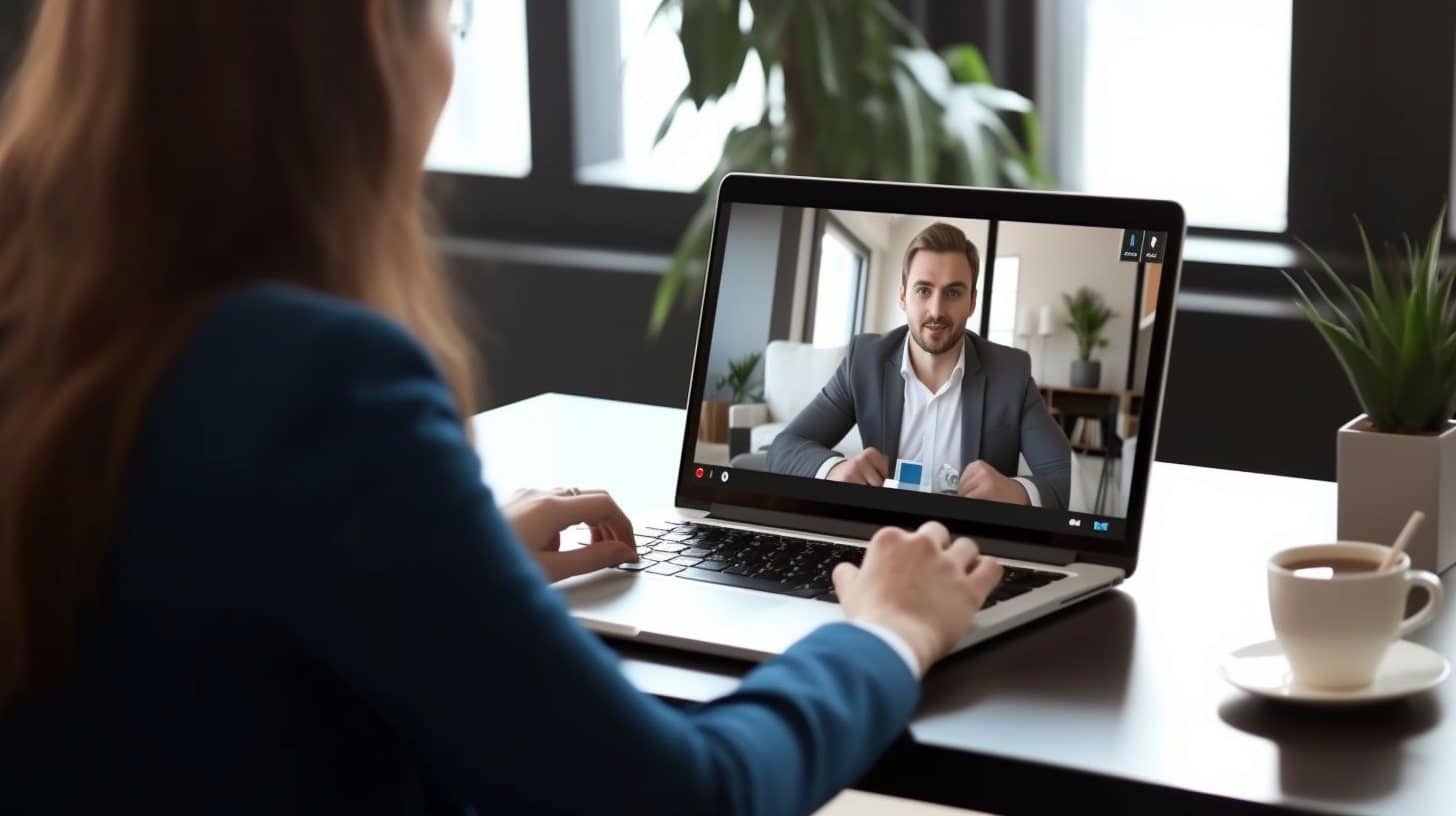
Sales has shifted dramatically from traditional face-to-face interactions to fully digital environments where businesses operate globally. Remote work has opened the door for new sales roles that rely heavily on communication technology, and one of the most important positions in this space is the remote closer. Many people ask what do remote closers do because the role is still relatively new compared to traditional sales jobs. At its core, a remote closer is responsible for converting qualified leads into paying customers without being physically present in an office or meeting room. This shift has allowed companies to expand their reach while maintaining highly efficient sales systems. Remote closers operate in industries where trust, persuasion, and structured conversations drive revenue. Their role sits at the final stage of the sales funnel, where decisions are made and revenue is generated. Understanding this position requires looking at how modern digital sales ecosystems function and how human interaction still plays a critical role even in virtual environments.
What Do Remote Closers Do in a Sales Process?
To fully understand what do remote closers do, it is important to see where they fit in the sales journey. They typically step in after leads have been generated and qualified by marketing teams or appointment setters. Their main responsibility is to guide potential customers through the final decision-making process. Remote closers conduct conversations through phone calls, video calls, and sometimes chat platforms, depending on the business model. They do not usually chase cold leads but instead focus on warm prospects who have already shown interest. Their job revolves around building trust, identifying needs, and presenting solutions in a compelling way. Unlike automated sales systems, remote closers rely on human psychology and conversation skills to influence buying decisions. They often work in high-ticket sales environments where the stakes and values of transactions are significantly higher. This makes their role both challenging and highly rewarding for those who master it.
Core Responsibilities of Remote Closers
Remote closers carry a wide range of responsibilities that directly impact revenue generation. They are expected to lead structured sales conversations that move prospects from curiosity to commitment. A key part of their role involves understanding customer needs and aligning them with the product or service offered. They must be able to handle objections smoothly while maintaining rapport and trust. Remote closers also guide prospects through pricing discussions and payment decisions. They are often responsible for ensuring that customers feel confident about their purchase before moving forward. Their responsibilities extend beyond just selling, as they must also maintain accurate records of conversations and outcomes.
Some of the most common responsibilities include:
-
Conducting discovery calls with qualified leads
-
Identifying customer pain points and goals
-
Presenting tailored solutions based on customer needs
-
Handling objections with clarity and confidence
-
Guiding prospects toward final purchase decisions
-
Logging interactions into CRM systems
-
Coordinating with marketing and sales teams
These tasks require consistency, emotional intelligence, and a strong understanding of buyer behavior.
Daily Workflow of Remote Closers
The daily routine of remote closers is structured yet flexible, depending on the number of scheduled calls and leads available. Their day often begins with reviewing their calendar and preparing for upcoming sales conversations. Preparation includes studying lead backgrounds, understanding product offerings, and reviewing previous interactions. Once prepared, they conduct live calls or video meetings with prospects. These conversations require focus and adaptability, as each lead has different concerns and motivations. After each call, remote closers update CRM systems with detailed notes to track progress and follow-ups.
Their daily workflow often includes:
-
Reviewing scheduled appointments and lead lists
-
Preparing talking points for each prospect
-
Conducting sales calls or virtual meetings
-
Recording notes and updating CRM data
-
Following up with undecided prospects
-
Coordinating with appointment setters and managers
-
Reviewing performance metrics such as conversion rates
This structured process helps maintain consistency and improves closing performance over time.
Essential Skills Needed for Remote Closing Success
Success in remote closing depends heavily on interpersonal and communication skills. Many people exploring what do remote closers do quickly realize that technical knowledge alone is not enough. Strong communication skills are essential for explaining offers clearly and persuasively. Emotional intelligence plays a key role in understanding customer concerns and responding appropriately. Active listening helps remote closers identify hidden objections and motivations. Confidence is necessary when guiding prospects toward a decision, especially in high-value transactions. Adaptability allows closers to handle different industries and customer personalities effectively.
Key skills include:
-
Persuasive communication and storytelling
-
Active listening and empathy
-
Confidence in handling objections
-
Time management and organization
-
Emotional intelligence in conversations
-
Problem-solving under pressure
-
Adaptability across industries
These skills develop over time through experience and continuous practice in real sales environments.
Tools and Technology Used by Remote Closers
Remote closers rely heavily on technology to manage their workflow and communication. Customer Relationship Management (CRM) systems are essential for tracking leads and sales progress. Video conferencing tools allow for face-to-face interaction even in remote environments. Dialing software helps streamline outbound communication when needed. Scheduling tools ensure that appointments are organized efficiently. Many businesses also use automation platforms to send reminders and follow-ups. Analytics dashboards provide insights into performance metrics and conversion rates.
Common tools include:
-
CRM platforms for lead tracking
-
Zoom or similar video conferencing software
-
Automated scheduling systems
-
Sales dialers and communication tools
-
Email automation platforms
-
Analytics and reporting dashboards
These tools support efficiency and allow remote closers to focus on conversations rather than manual tasks.
Industries That Commonly Hire Remote Closers
Remote closing roles are in demand across multiple industries, especially those that rely on high-ticket sales. Online education and coaching businesses frequently hire remote closers to convert program applicants into customers. Software-as-a-Service (SaaS) companies use closers to convert trial users into paid subscribers. Digital marketing agencies rely on them to close service packages for clients. Financial services, investment firms, and real estate companies also use remote closers for high-value transactions. Even health, fitness, and personal development industries depend on structured sales calls.
Industries include:
-
Online coaching and education
-
SaaS companies and tech platforms
-
Digital marketing agencies
-
Real estate and investment firms
-
Health and wellness programs
-
E-commerce premium brands
Each industry requires a slightly different sales approach, but the core responsibilities remain similar.
Difference Between Remote Closers and Traditional Sales Roles
Understanding what do remote closers do also requires comparing them to traditional sales positions. Unlike in-person sales representatives, remote closers operate entirely online or over the phone. They often work with pre-qualified leads rather than cold outreach. Traditional sales roles may require physical meetings, while remote closers rely on virtual communication. Compensation structures also differ, with many remote closers working on commission-based earnings. The level of autonomy is typically higher in remote roles, allowing for flexible schedules. Performance is measured primarily through conversion rates rather than activity volume.
Key differences include:
-
Remote communication vs in-person meetings
-
Warm leads vs cold prospecting
-
Commission-based income vs fixed salary models
-
Flexible scheduling vs structured office hours
-
Focus on conversions vs activity metrics
These distinctions make remote closing a unique and specialized sales career path.
Earnings and Compensation Structure for Remote Closers
Earnings in remote closing can vary widely depending on experience, industry, and performance. Many roles are commission-based, meaning income is directly tied to closed deals. High-ticket sales environments often offer significant earning potential for skilled closers. Some positions include a base salary plus commission, while others are purely performance-driven. Bonuses are sometimes offered for exceeding sales targets. Experienced remote closers in high-demand industries can earn substantial monthly incomes.
Income factors include:
-
Commission percentage per sale
-
Product or service price point
-
Number of closed deals
-
Industry demand and competition
-
Individual sales performance
This structure makes the role highly rewarding for individuals who develop strong closing skills.
How Companies Hire Remote Closers
Hiring remote closers involves a structured process designed to evaluate communication and sales ability. Companies often begin with an application and resume screening stage. Candidates may then go through interview calls to assess communication skills. Some organizations require role-play scenarios to test sales ability in real time. Trial calls are common to evaluate performance with actual leads. Training sessions are often provided to align closers with company processes and products.
Hiring steps include:
-
Application and screening process
-
Remote interviews and evaluations
-
Sales role-play assessments
-
Trial closing calls
-
Onboarding and training programs
This process ensures that only capable individuals are placed in revenue-generating positions.
Challenges Faced by Remote Closers
Remote closers face several challenges that test their resilience and adaptability. Rejection is a regular part of the job and requires mental strength to manage effectively. Lead quality can vary, which impacts conversion rates. Time zone differences can complicate scheduling and communication. Maintaining motivation while working remotely can also be difficult without in-person team interaction. Handling objections consistently requires emotional control and patience.
Common challenges include:
-
Dealing with rejection and no-shows
-
Inconsistent lead quality
-
Remote work isolation
-
Time zone coordination issues
-
High-performance pressure
Overcoming these challenges is part of building long-term success in the field.
How Remote Closers Improve Sales Performance
Improving performance as a remote closer requires continuous learning and practice. Many professionals refine their communication techniques over time. Understanding buyer psychology helps improve conversion rates significantly. Storytelling is often used to connect emotionally with prospects. Structured call frameworks help guide conversations efficiently. Collaboration with marketing teams ensures better lead quality. Consistent performance tracking allows closers to identify areas for improvement.
Performance improvement strategies include:
-
Practicing objection handling regularly
-
Studying customer psychology
-
Refining communication techniques
-
Using structured sales scripts
-
Reviewing call recordings for feedback
These methods help remote closers consistently increase their effectiveness.
Growth Opportunities for Remote Closers
Remote closing offers strong long-term career growth potential. Many professionals transition into senior sales roles or team leadership positions. Others specialize in high-ticket sales niches to increase earning potential. Some build independent consulting businesses or freelance careers. With experience, remote closers can work with international clients across multiple industries. The demand for skilled closers continues to grow as businesses expand online.
Career paths include:
-
Sales team leadership roles
-
High-ticket sales specialization
-
Independent consulting or freelancing
-
International sales opportunities
-
Training and mentorship roles
The flexibility of the career makes it attractive for long-term development.
Frequently Asked Questions About What Do Remote Closers Do
What do remote closers do on a daily basis?
They conduct sales calls, follow up with prospects, manage CRM systems, and guide potential customers toward purchasing decisions.
Do remote closers need prior sales experience?
Not always, but experience in communication or sales can significantly improve success rates.
How do remote closers get paid?
Most are paid through commission-based structures, although some roles include base salaries.
Can remote closers work from anywhere in the world?
Yes, most remote closing roles are location-independent as long as communication tools are available.
What industries hire remote closers the most?
Coaching, SaaS, digital marketing, real estate, and financial services commonly hire remote closers.
Is remote closing a full-time career or freelance job?
It can be both, depending on the company structure and individual preference.
How long does it take to become a successful remote closer?
It varies, but consistent practice and training can lead to improvement within a few months.
What makes a top-performing remote closer different?
Strong communication skills, emotional intelligence, and consistency in handling objections set top performers apart.
Takeaway
Remote closers play a vital role in modern sales systems by turning interested prospects into paying customers through structured, high-impact conversations. Their work combines communication skills, emotional intelligence, and strategic thinking to drive revenue in digital-first environments. Understanding what do remote closers do reveals a career path that is both flexible and performance-driven, offering strong earning potential for those who develop the right skills. As businesses continue shifting online, the demand for skilled remote closers is expected to grow even further, making it one of the most dynamic roles in today’s sales industry.