

The Rise of Remote High Ticket Closing Jobs in the Digital Economy
Remote high ticket closing jobs have grown rapidly as businesses shift toward digital delivery models and global sales teams. Online education, coaching programs, software solutions, and consulting services now rely heavily on virtual sales conversations to enroll clients. This shift has made location-based sales roles less relevant and opened doors for skilled communicators worldwide. Companies increasingly value performance over physical presence, making remote closers essential to revenue growth. High ticket offers require thoughtful conversations, not aggressive selling, which aligns well with virtual communication platforms. As more consumers feel comfortable investing in premium services online, the demand for remote closers continues to rise. This career path reflects a broader transformation in how trust, value, and purchasing decisions are built in the modern economy.
What Defines a High Ticket Offer in Remote Sales Roles
A high ticket offer typically refers to a product or service priced in the thousands, and sometimes tens of thousands, of dollars. These offers often promise deep transformation, long-term outcomes, or specialized expertise rather than quick fixes. Buyers rarely make these decisions impulsively, which makes the sales process more consultative. In remote high ticket closing jobs, the closer’s role is to guide prospects through clarity rather than pressure them into a decision. Conversations focus on alignment, readiness, and long-term value. Because of the investment level, trust and credibility play a critical role in the buying process. High ticket sales thrive when the closer understands both the emotional and logical motivations behind a client’s decision.
How Remote High Ticket Closing Jobs Actually Work
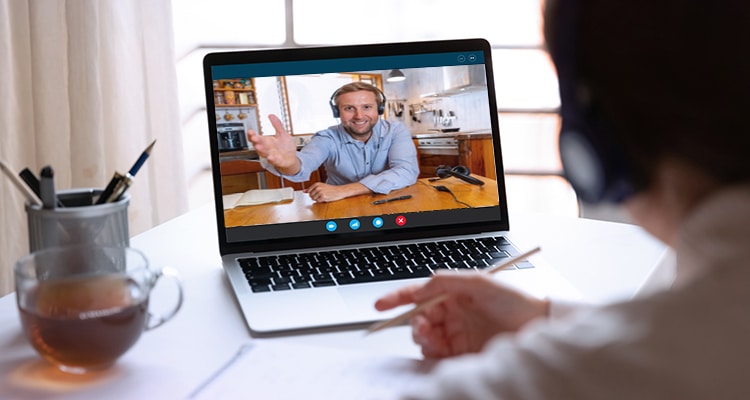
Remote high ticket closing jobs follow a structured yet flexible sales process designed to support premium decision-making. Leads are often pre-qualified through marketing funnels, applications, or appointment setters before reaching the closer. This ensures that conversations happen with prospects who already understand the offer and express interest. Sales calls are typically held via video conferencing platforms, allowing for face-to-face interaction without geographic limits. Closers guide prospects through their challenges, goals, and expectations while aligning the offer with their needs. Performance is measured by conversions, show-up rates, and revenue rather than hours worked. This structure allows skilled closers to focus on quality conversations instead of chasing cold leads.
Core Skills Needed to Succeed as a Remote High Ticket Closer
Success in remote high ticket closing jobs depends on more than traditional sales techniques. Emotional intelligence allows closers to read tone, hesitation, and intent even through a screen. Active listening ensures prospects feel understood rather than sold to. Clear communication helps translate complex offers into meaningful outcomes. Confidence is necessary, but it must be balanced with empathy and patience. Strong objection-handling skills help prospects work through fear or uncertainty without manipulation. Self-management is essential since remote closers operate with minimal supervision. These skills combine to create conversations that feel collaborative rather than transactional.
Industries Actively Hiring for Remote High Ticket Closing Jobs
Many fast-growing industries rely on remote high ticket closing jobs to scale their revenue. Online coaching and consulting businesses frequently sell premium programs that require guided enrollment conversations. Digital marketing agencies offer high-value retainers that benefit from personalized sales calls. Software companies with enterprise-level pricing often use closers to onboard clients. Health, fitness, and wellness programs selling long-term transformations also depend on skilled sales conversations. Financial education and professional certification platforms use remote closers to explain value and commitment. These industries prioritize results, making skilled closers a critical part of their growth strategy.
Income Potential and Compensation Structures Explained
Remote high ticket closing jobs are known for their strong income potential compared to traditional sales roles. Compensation is usually commission-based, with percentages ranging based on deal size and offer structure. Larger deals often result in fewer calls but higher earnings per close. Some roles offer recurring commissions when clients remain enrolled long-term. Bonuses may be tied to performance milestones or team results. While income can fluctuate early on, consistency improves with experience and refined skills. This earning model rewards effectiveness, not time spent, which appeals to high performers.
Advantages of Choosing Remote High Ticket Closing Jobs
Remote high ticket closing jobs offer a level of flexibility rarely found in traditional careers. Closers can work from anywhere with a stable internet connection, making this path appealing to digital nomads and remote professionals. Schedules are often aligned with booked calls rather than fixed shifts. Overhead costs remain low since no office or commuting expenses are required. Closers gain exposure to high-level entrepreneurs, executives, and decision-makers. Skill development happens rapidly due to the intensity of conversations. Over time, this experience can open doors to leadership or consulting opportunities.
Challenges to Expect and How to Navigate Them
Despite the benefits, remote high ticket closing jobs come with challenges that require resilience. Commission-based income can feel unstable at first, especially during the learning phase. Rejection is part of the process and must be handled without emotional burnout. Remote work demands discipline, structure, and accountability. Lead flow may vary depending on the client or market conditions. Adapting to different offers and sales frameworks can be mentally demanding. Maintaining motivation requires a strong internal drive rather than external supervision. Those who address these challenges intentionally often find the rewards outweigh the difficulties.
How to Position Yourself for Remote High Ticket Closing Jobs
Positioning yourself for remote high ticket closing jobs starts with clarity around your value. A resume or profile should emphasize communication skills, results, and adaptability rather than job titles. Many employers value mock calls and role-play demonstrations over formal credentials. Confidence during interviews signals readiness for high-stakes conversations. Building a professional online presence can attract opportunities organically. Understanding ethical sales principles helps build long-term credibility. Consistent practice and feedback accelerate readiness for real-world closing environments.
Where to Find Legitimate Remote High Ticket Closing Opportunities
Legitimate remote high ticket closing jobs can be found through specialized sales job boards and online communities. Many coaching and consulting companies recruit closers internally through their networks. Social platforms often host founders actively seeking sales talent. Referrals from other closers are a common entry point into quality opportunities. Evaluating offers carefully helps avoid misaligned or unethical roles. Transparency around commission structure and expectations is a positive sign. Trustworthy opportunities focus on training, support, and long-term collaboration.
Training, Certification, and Skill Development Pathways
Training plays an important role in preparing for remote high ticket closing jobs, though formal certification is not always required. Sales courses can help build foundational frameworks and confidence. Mentorship provides real-world insights that accelerate growth. Reviewing recorded calls allows closers to refine tone, pacing, and objection handling. Ethical selling frameworks ensure alignment with client needs. Mindset development supports consistency and resilience. Ongoing learning keeps skills relevant in competitive markets.
Essential Traits Employers Look for in Remote High Ticket Closers
-
Strong verbal communication and presence
-
Consistent follow-through and reliability
-
Coachability and openness to feedback
-
Results-driven mindset without desperation
-
Professionalism in virtual environments
-
Integrity and respect for client autonomy
Long-Term Career Growth From Remote High Ticket Closing Jobs
Remote high ticket closing jobs can evolve into long-term careers with multiple growth paths. Experienced closers often move into sales leadership or team management roles. Some transition into consulting or sales strategy positions. Others leverage their experience to launch their own businesses or offers. A strong reputation attracts higher-quality clients and opportunities. Diversifying contracts helps stabilize income. Negotiation and communication skills remain valuable across industries. This adaptability makes high ticket closing a future-proof skill set.
FAQ
What experience is required for remote high ticket closing jobs
Many remote high ticket closing jobs do not require formal sales backgrounds, but they do require strong communication skills. Transferable experience from customer service, coaching, or consulting can be valuable. Employers often prioritize mindset and coachability over years of experience. Mock calls help demonstrate readiness. Entry-level closers can grow quickly with proper guidance. Consistent practice shortens the learning curve. Results eventually matter more than credentials.
Are remote high ticket closing jobs legitimate long-term careers
Remote high ticket closing jobs continue to grow as digital businesses expand globally. Companies rely on closers to sustain revenue growth. Skill-based income provides flexibility and control. Ethical sales practices support long-term demand. Many professionals build multi-year careers in this field. Growth opportunities extend beyond individual closing roles. Market trends indicate ongoing relevance.
How long does it take to earn consistent income
Timelines vary depending on training, lead quality, and effort. Some closers see results within a few months, while others take longer to stabilize income. Consistency improves with experience and refined communication skills. Lead alignment plays a major role in performance. Persistence accelerates progress. Early fluctuations are normal. Long-term consistency comes from mastery and confidence.
Can remote high ticket closing jobs be done part-time
Some remote high ticket closing jobs allow part-time engagement, depending on call volume and availability. Time zone flexibility helps manage limited hours. Performance expectations remain high regardless of schedule. Many part-time closers eventually transition into full-time roles. Income potential scales with commitment. Professionalism is essential even with reduced hours. Clear communication with clients ensures alignment.
What makes someone successful in remote high ticket closing jobs
Successful closers believe in the value of the offer they represent. Preparation and follow-up build trust. Emotional regulation supports clarity during calls. Long-term thinking replaces short-term pressure tactics. Accountability drives consistency. Ethical persuasion protects reputation. Personal growth fuels professional performance.
Takeaway
Remote high ticket closing jobs offer a powerful combination of flexibility, income potential, and skill development for professionals willing to master high-level communication. This career path rewards ethical selling, emotional intelligence, and self-discipline rather than aggressive tactics. As digital businesses continue to grow, the need for skilled remote closers remains strong. Those who commit to learning, adapting, and refining their approach can build sustainable, location-independent careers. The opportunity is not just about closing deals, but about guiding meaningful decisions with clarity and integrity.